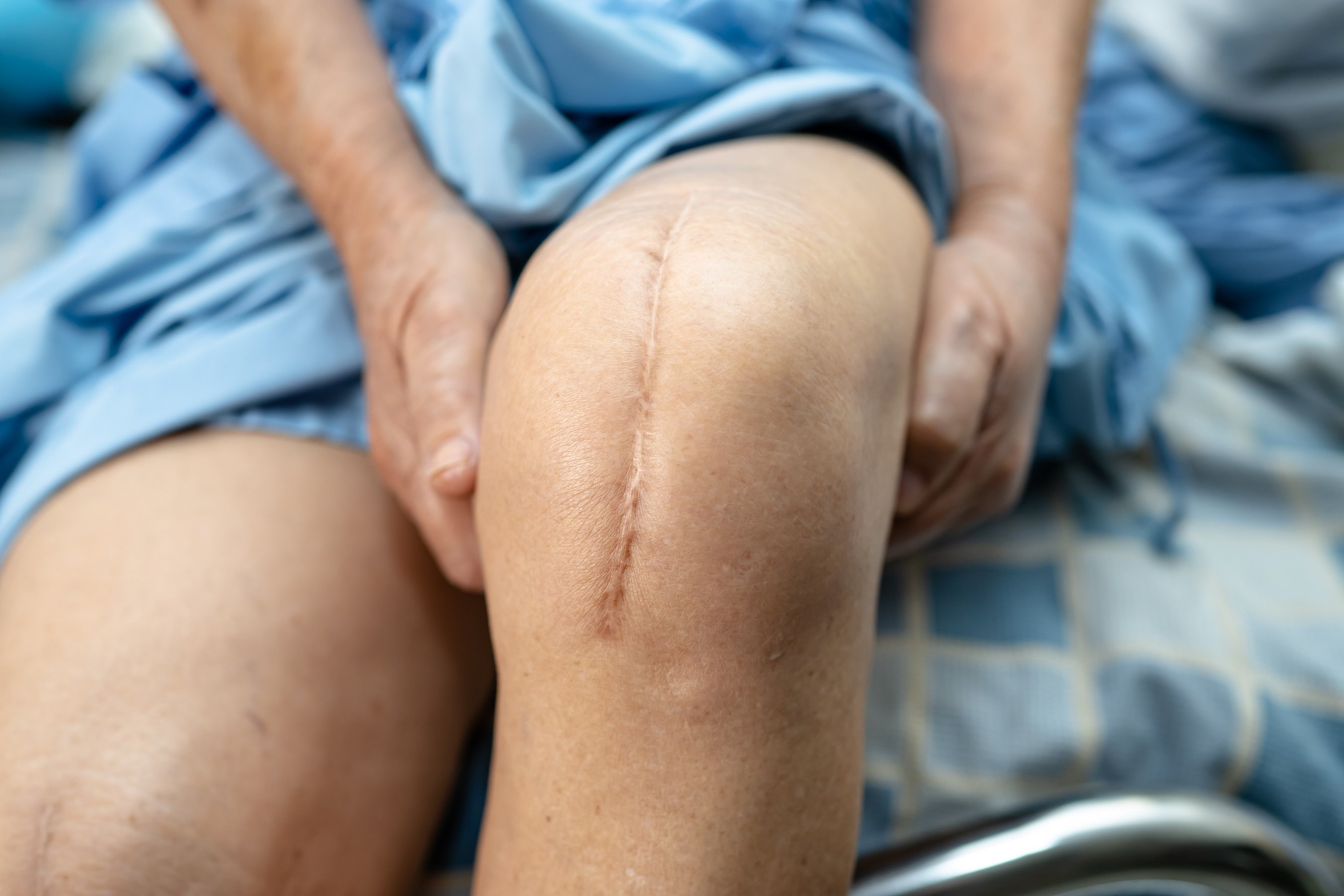
Key Takeaways
- Revision knee replacement addresses problems such as knee replacement failure, instability, wear, or other complications.
- Preparing properly before revision surgery supports safer procedures and a smoother recovery.
- Revision knee replacement surgery is more complex than primary knee replacement and requires specialized expertise and implants.
- Recovery timelines can vary, but structured rehabilitation and physical therapy are essential for long-term success.
- Pain and swelling after revision knee replacement are managed with modern, multimodal care strategies.
- Dr. Kyle Stoops is a fellowship-trained orthopedic specialist providing expert revision knee replacement surgery for patients in Fishers and surrounding areas, using advanced Enovis revision implant technology. Schedule an appointment to discuss your treatment options.
Understanding Revision Knee Replacement Surgery
Revision knee replacement is performed when a previous knee replacement has failed or developed complications. Unlike a first-time knee replacement, revision surgery involves removing some or all of the existing implant and replacing it with specialized components designed to restore joint stability and function.
Common reasons for knee replacement revision include implant loosening, instability, infection, fracture near the implant, or ongoing pain that limits daily activities. Because revision knee replacement is more complex than primary surgery, it requires advanced surgical planning and experience.
How to Prepare for Revision Knee Replacement Surgery
Preparation plays a critical role in the success of revision knee replacement surgery. Patients who understand the process and follow pre-surgical recommendations are often better positioned for a smoother recovery.
Medical Evaluation and Surgical Planning
Before revision surgery, Dr. Kyle Stoops conducts a thorough evaluation to identify the cause of knee replacement failure or complications. This may include:
- Imaging studies to assess implant positioning and bone quality
- Review of the original knee replacement and prior outcomes
- Evaluation for infection or joint instability
- Assessment of overall health and medical history
This detailed approach allows for precise surgical planning and appropriate implant selection.
Preparing Your Body Before Surgery
Patients may be encouraged to maintain strength and mobility as tolerated before surgery. Staying active within safe limits, maintaining proper nutrition, and following medication instructions all contribute to better surgical readiness.
What Happens During Revision Knee Replacement Surgery
Revision knee replacement surgery differs significantly from primary knee replacement due to the presence of existing implants and altered anatomy.
Surgical Procedure Overview
During revision knee replacement, the existing implant is carefully removed while preserving as much healthy bone and soft tissue as possible. Dr. Kyle Stoops then addresses any bone loss, alignment issues, or instability before placing new revision-specific implants.
Advanced revision knee implants from Enovis are designed to provide enhanced fixation and stability, helping accommodate changes in bone structure that may have occurred since the original surgery.
Why Revision Surgery Is More Complex
Revision knee replacement is inherently more complex due to:
- Scar tissue from previous surgery
- Potential bone loss around the implant
- The need for specialized implants
- Greater technical demands during surgery
Because of these factors, choosing an experienced orthopedic specialist is essential for achieving optimal outcomes.
Primary vs. Revision Knee Replacement Comparison
| Feature | Primary Knee Replacement | Revision Knee Replacement |
|---|---|---|
| Purpose | First-time knee replacement | Correct failed or problematic implant |
| Surgical Complexity | Standardized procedure | More complex and individualized |
| Implant Type | Standard knee implant | Specialized revision implant |
| Bone Management | Minimal bone loss | Bone loss may require reconstruction |
| Recovery Timeline | Typically shorter | Often longer and more variable |
Recovery Timelines and Tips for Faster Healing
Recovery after revision knee replacement varies depending on the complexity of the surgery and individual healing factors. While recovery may take longer than a primary knee replacement, steady progress is expected with proper care.
Early Recovery Phase
In the initial weeks after surgery, patients focus on:
- Managing pain and swelling
- Gradually increasing mobility
- Protecting the surgical knee
- Following activity guidelines closely
Many patients begin walking with assistance shortly after surgery, under professional guidance.
Longer-Term Recovery Expectations
As healing progresses, patients work toward improving strength, range of motion, and stability. While full recovery timelines vary, consistent participation in rehabilitation helps patients regain function and confidence in their knee.
Managing Pain and Swelling After Surgery
Pain and swelling are normal parts of the healing process after revision knee replacement surgery. Modern pain management strategies aim to keep patients comfortable while promoting movement.
Pain Management Strategies
Pain control may include:
- Multimodal pain management protocols
- Activity pacing and rest
- Ice and elevation as recommended
- Adherence to prescribed rehabilitation plans
Managing pain effectively allows patients to participate more fully in physical therapy and daily activities.
Swelling Reduction Tips
Swelling can be minimized by:
- Elevating the leg when resting
- Using cold therapy as instructed
- Staying consistent with movement and exercises
- Avoiding prolonged inactivity
The Role of Physical Therapy in Recovery
Physical therapy is a cornerstone of recovery after revision knee replacement surgery. Structured rehabilitation helps restore joint function, strength, and mobility.
Why Physical Therapy Matters
Physical therapy supports:
- Improved range of motion
- Strengthening surrounding muscles
- Restoring balance and stability
- Reducing stiffness and discomfort
Skipping or delaying therapy can slow recovery and limit long-term results.
Progressing Through Rehabilitation
Rehabilitation programs are customized to each patient’s needs and recovery pace. Dr. Kyle Stoops works closely with patients to ensure therapy aligns with surgical goals and healing milestones.
Understanding Knee Replacement Complications
Revision knee replacement is often necessary due to complications from a previous surgery. These may include instability, persistent pain, implant wear, or mechanical failure. Early evaluation by an orthopedic specialist near you can help determine whether revision surgery is appropriate and prevent further joint damage.
Why Experience Matters in Revision Knee Replacement
Revision knee replacement requires advanced expertise due to its technical challenges. Dr. Kyle Stoops’ fellowship training in hip and knee reconstruction allows for comprehensive evaluation, precise surgical planning, and the use of advanced revision implant systems from Enovis to support long-term outcomes.
Get Expert Guidance for Revision Knee Replacement Care
Revision knee replacement surgery can significantly improve comfort and mobility when performed by an experienced orthopedic specialist. Dr. Kyle Stoops provides comprehensive revision knee replacement care for patients in Fishers and surrounding communities, combining advanced surgical techniques with personalized recovery planning.
To learn more about revision knee replacement surgery or to discuss your symptoms and treatment options, schedule a consultation with Dr. Kyle Stoops for expert evaluation and care.
Frequently Asked Questions
What is revision knee replacement surgery?
Revision knee replacement involves removing a previously implanted knee replacement and replacing it with specialized components to address failure, instability, or other complications.
How do I know if I need a knee replacement revision?
Signs may include worsening pain, instability, swelling, or reduced function after a previous knee replacement. An evaluation with an orthopedic specialist can determine the cause.
Is recovery longer after revision knee replacement?
Yes, recovery after revision knee replacement is often longer than primary knee replacement due to increased surgical complexity and healing requirements.
How is pain managed after revision knee replacement surgery?
Pain is managed using modern, multimodal approaches designed to keep patients comfortable while encouraging safe movement and rehabilitation.
How important is physical therapy after revision knee replacement?
Physical therapy is essential for restoring strength, mobility, and stability and plays a major role in long-term recovery success.
