Key Takeaways
- Knee arthroscopy recovery is often faster than traditional knee surgery, but proper post-operative care is essential.
- Following post-surgery instructions closely helps protect the knee and prevent complications.
- Targeted exercises support strength, mobility, and long-term joint health.
- Pain and swelling can be managed effectively with modern recovery strategies.
- Physical therapy is a key component of safe, efficient recovery after arthroscopic knee surgery.
- Dr. Kyle Stoops is a fellowship-trained orthopedic specialist providing advanced knee arthroscopy care for patients in the Westfield area, using modern surgical techniques and Enovis-supported technology. Schedule an appointment to discuss your recovery plan.
Knee arthroscopy is a minimally invasive procedure designed to diagnose and treat a variety of knee conditions, including torn cartilage and joint irritation. While arthroscopic knee surgery typically involves a shorter recovery than open surgery, how you care for your knee afterward plays a major role in how quickly and comfortably you heal. With the right guidance, many patients are able to regain mobility, reduce pain, and return to daily activities sooner than expected.
Acne Scars: Resurfacing Uneven or Pitted Skin
Acne scars are among the most common reasons patients seek microneedling. When acne heals, it often leaves behind depressions or “pits” in the skin that topical products cannot fix.
Tip 1: Follow Post-Surgery Instructions Carefully
One of the most important factors in knee arthroscopy recovery is following post-operative instructions exactly as provided.
Why Instructions Matter
Post-surgery guidelines are designed to:
- Protect healing tissues
- Reduce swelling and discomfort
- Prevent setbacks or complications
- Support a safe, gradual return to activity
Ignoring or rushing through recovery steps can slow healing or increase the risk of reinjury.
Common Post-Arthroscopy Guidelines
Patients are often advised to:
- Limit certain movements during early recovery
- Use assistive devices if recommended
- Keep incisions clean and dry
- Gradually increase activity levels based on progress
Dr. Kyle Stoops provides clear, personalized recovery instructions to help patients heal safely and confidently after arthroscopic knee surgery.
Tip 2: Start Gentle Exercises to Restore Mobility
Early movement is essential for regaining knee function after arthroscopy.
Exercises to Regain Strength and Mobility
Once approved, gentle exercises help:
- Improve range of motion
- Prevent stiffness
- Maintain muscle activation
- Support circulation
These exercises are typically low-impact and designed to progress gradually as healing continues.
Why Consistency Is Key
Performing recommended exercises consistently, without overdoing them, supports steady improvement. Patients who stay engaged with their recovery plan often experience better outcomes and smoother knee arthroscopy recovery time.
Tip 3: Manage Pain and Swelling Effectively
Pain and swelling are normal after arthroscopic knee surgery, but they can be managed effectively with the right approach.
Pain Management Strategies
Modern recovery protocols may include:
- Structured pain management plans
- Activity pacing and rest
- Ice therapy when appropriate
- Elevation to reduce swelling
Managing discomfort allows patients to move more comfortably and participate in rehabilitation exercises.
Swelling Control Tips
Reducing swelling supports faster healing and improved mobility. Simple measures like elevation and controlled movement can make a noticeable difference in comfort during recovery.
Tip 4: Commit to Physical Therapy
Physical therapy plays a central role in recovery after knee arthroscopy.
The Role of Physical Therapy in Recovery
Physical therapy helps patients:
- Restore strength and flexibility
- Improve knee stability
- Rebuild confidence in movement
- Reduce the risk of future injury
Skipping therapy or stopping early can delay recovery and limit long-term knee function.
Personalized Rehabilitation Plans
Dr. Kyle Stoops works closely with patients to ensure rehabilitation plans align with the specific arthroscopic knee procedure performed and the patient’s goals. Progression is based on healing milestones, not arbitrary timelines.
Tip 5: Prevent Complications During Healing
While knee arthroscopy is considered safe, proper care during recovery helps reduce the risk of complications.
Signs to Monitor During Recovery
Patients should be aware of:
- Increasing pain or swelling
- Difficulty moving the knee
- Signs of infection around incision sites
- Instability or locking sensations
Early communication with an orthopedic specialist near you can help address concerns before they become serious.
Activity Modifications
Avoiding high-impact activities and following return-to-activity guidance helps protect the knee during healing. Gradual progression ensures tissues have time to recover fully.
Tip 6: Maintain a Recovery-Focused Lifestyle
Recovery extends beyond exercises and appointments. Daily habits can influence how quickly the knee heals.
Nutrition and Hydration
Proper nutrition supports tissue healing and overall recovery. Staying hydrated and maintaining a balanced diet can help the body recover more efficiently.
Rest and Sleep
Adequate rest allows the body to repair itself. Balancing activity with rest is essential during knee arthroscopy recovery.
What Is Arthroscopic Knee Surgery?
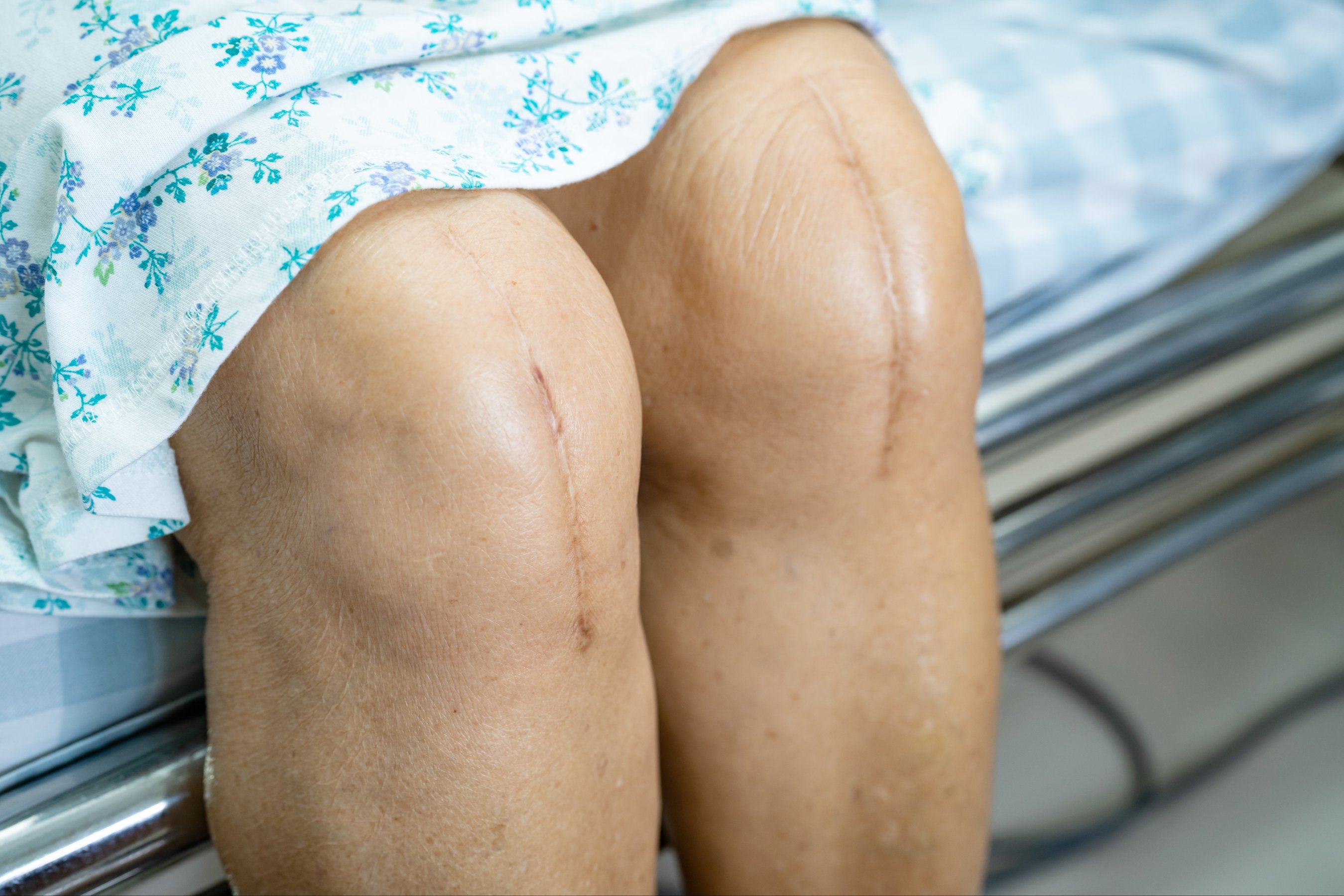
Many patients ask, “What is arthroscopic knee surgery?” It is a minimally invasive procedure that allows surgeons to diagnose and treat knee joint issues using small incisions. Compared to traditional surgery, arthroscopy knee procedures typically result in less pain, smaller scars, and faster recovery times.
Arthroscopic Knee Surgery for Torn Meniscus
Arthroscopic knee surgery for a torn meniscus is one of the most common applications of this procedure. By addressing damaged cartilage through precise techniques, patients often experience relief from pain, improved mobility, and a quicker return to daily activities.
Typical Knee Arthroscopy Recovery Timeline
| Recovery Phase | What to Expect |
|---|---|
| First Few Days | Reduced swelling, limited activity |
| Early Weeks | Improved motion, gentle strengthening |
| Mid-Recovery | Increased stability and mobility |
| Later Recovery | Gradual return to normal activities |
Recovery timelines vary based on the procedure performed and individual healing factors, but most patients see steady improvement with proper care.
Why Expertise Matters in Knee Arthroscopy
Successful knee arthroscopy outcomes depend on both surgical precision and recovery guidance. Dr. Kyle Stoops’s fellowship training and experience in knee procedures allow for accurate diagnosis, minimally invasive treatment, and personalized recovery planning. Enovis-supported technology further enhances surgical accuracy and consistency.
Plan Your Knee Arthroscopy Recovery with Expert Guidance
Recovering faster after a knee arthroscopy is possible with the right approach and professional support. Dr. Kyle Stoops provides expert knee arthroscopy care for patients in Westfield, combining advanced techniques, personalized rehabilitation planning, and patient-focused education.
If you are preparing for arthroscopic knee surgery or need guidance on recovery, schedule a consultation with Dr. Kyle Stoops to discuss your treatment and recovery plan.
Frequently Asked Questions
What is the typical knee arthroscopy recovery time?
Recovery time varies, but many patients resume light activities within days to weeks, with continued improvement over several months.
Is physical therapy necessary after knee arthroscopy?
Yes. Physical therapy is essential for restoring strength, flexibility, and stability after arthroscopic knee surgery.
How can I reduce swelling after arthroscopic knee surgery?
Elevation, ice therapy, and following activity guidelines can help reduce swelling and discomfort.
When can I return to normal activities after knee arthroscopy?
Return-to-activity timelines depend on the procedure performed and individual healing. Your orthopedic specialist will guide this progression.
How do I know if my recovery is on track?
Steady improvement in motion, strength, and comfort is a positive sign. Any concerns should be discussed with your orthopedic specialist.
