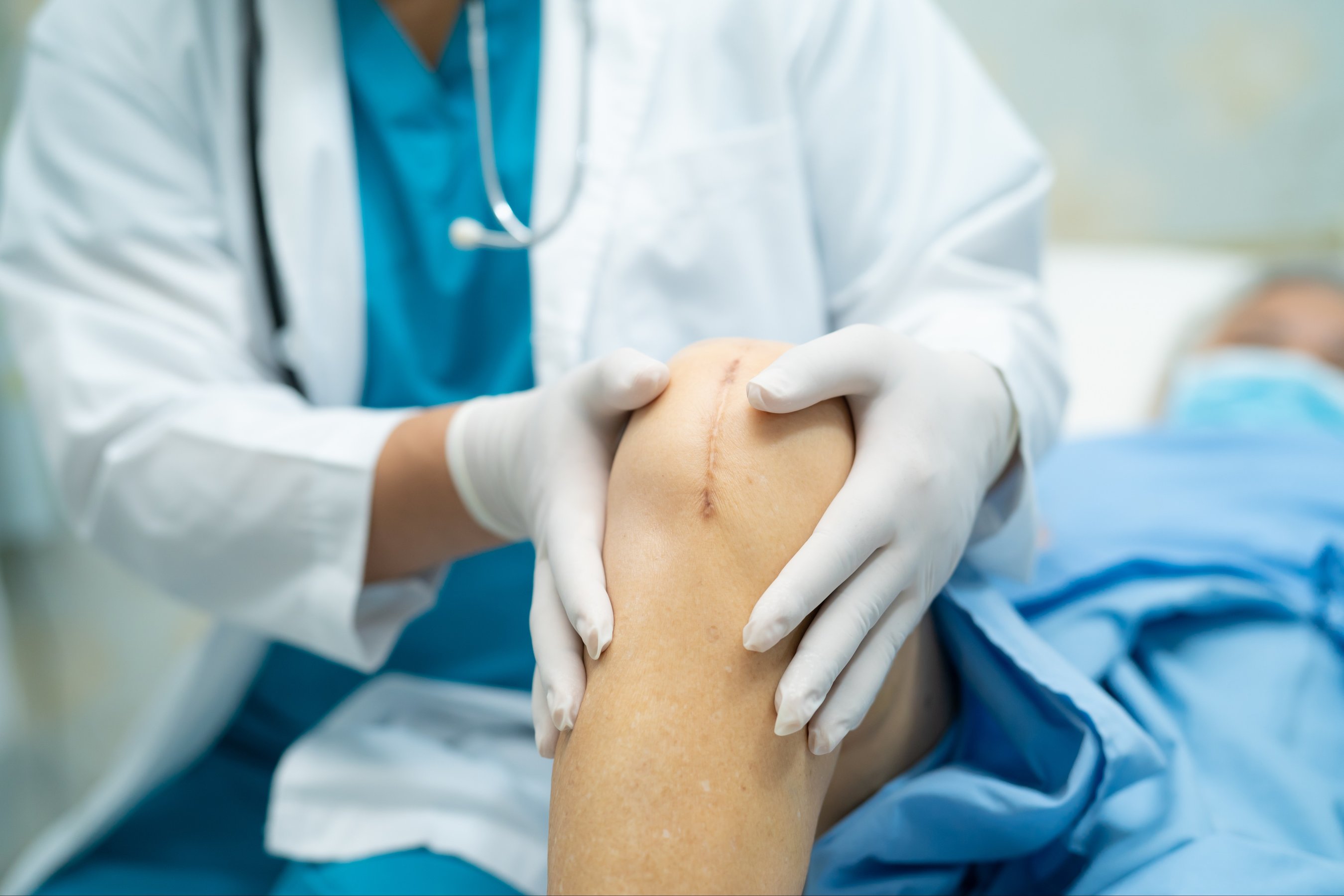
Key Takeaways
- Outpatient joint replacement allows patients to return home the same day after hip or knee replacement surgery.
- Following post-surgery instructions closely is essential for protecting the joint and supporting healing.
- Gentle exercises help restore strength, mobility, and joint stability.
- Pain and swelling can be managed effectively with structured recovery strategies.
- Staying active safely during recovery helps prevent stiffness and setbacks.
- Dr. Kyle Stoops is a fellowship-trained orthopedic specialist providing outpatient joint replacement care for patients in Noblesville and surrounding communities, using advanced Enovis implant technology. Schedule an appointment to explore your treatment options.
Understanding Outpatient Joint Replacement
Outpatient joint replacement has transformed the way many patients experience hip and knee replacement surgery. Instead of extended hospital stays, eligible patients can return home the same day and begin recovery in a familiar, comfortable environment. While outpatient joint replacement is designed to support faster healing, recovery success still depends on following proper guidance and staying engaged in the process.
With modern surgical techniques, personalized care plans, and advanced implant technology from Enovis, many patients are able to regain mobility and confidence sooner than expected. The following six expert tips can help support a smoother, faster recovery after outpatient joint replacement.
Tip 1: Follow Post-Surgery Instructions Exactly
One of the most important factors in recovery after outpatient joint replacement is following post-operative instructions precisely.
Why Post-Surgery Instructions Matter
Post-surgical guidelines are designed to:
- Protect healing tissues
- Reduce the risk of complications
- Support safe movement and mobility
- Promote long-term implant success
Even though patients return home the same day, recovery instructions are just as important as they would be after an inpatient procedure.
Common Recovery Guidelines
Patients may be instructed to:
- Limit certain movements during early healing
- Use assistive devices temporarily
- Follow wound care instructions carefully
- Gradually increase activity based on progress
Dr. Kyle Stoops provides personalized recovery guidance so patients know exactly what to expect after outpatient joint replacement.
Tip 2: Use Gentle Exercises to Regain Strength and Mobility
Early, controlled movement is a key component of faster recovery.
Why Exercise Is Important After Outpatient Joint Replacement
Gentle exercises help:
- Improve range of motion
- Strengthen surrounding muscles
- Reduce stiffness
- Support circulation and healing
These exercises are introduced gradually and adjusted based on the patient’s progress.
Staying Consistent Without Overdoing It
Consistency matters more than intensity. Patients who follow recommended exercise plans steadily often experience smoother recovery and better long-term outcomes.
Tip 3: Manage Pain and Swelling Effectively
Pain and swelling are expected after outpatient joint replacement, but they can be managed effectively with the right approach.
Modern Pain Management Strategies
Recovery plans may include:
- Multimodal pain management protocols
- Activity pacing and rest
- Cold therapy when appropriate
- Elevation to reduce swelling
Effective pain control allows patients to stay active and participate in rehabilitation comfortably.
Swelling Reduction Tips
Swelling management supports faster healing and improved comfort. Simple strategies like elevation and gentle movement can make a meaningful difference during recovery.
Tip 4: Prevent Complications During Recovery
Although outpatient joint replacement is considered safe, taking precautions during recovery helps minimize risks.
Common Recovery Risks to Avoid
Patients should watch for:
- Increasing pain or swelling
- Difficulty moving the joint
- Signs of infection near the incision
- Instability or unusual discomfort
Prompt communication with an orthopedic specialist near you can help address concerns early.
Protecting the New Joint
Avoiding high-impact activities and following return-to-activity guidance helps protect the implant while tissues heal.
Tip 5: Stay Active—Safely—While Healing
Staying active during recovery is important, but activity must be appropriate and controlled.
Benefits of Safe Activity
Appropriate movement helps:
- Prevent stiffness
- Maintain muscle strength
- Improve balance and coordination
- Support mental well-being
Patients are encouraged to remain engaged in daily activities within approved limits.
Outpatient vs. Inpatient Recovery Activity
| Recovery Aspect | Outpatient Joint Replacement | Inpatient Joint Replacement |
|---|---|---|
| Discharge | Same-day return home | Hospital stay required |
| Early Mobility | Begins quickly at home | Begins in hospital |
| Comfort | Familiar home environment | Clinical setting |
| Independence | Encouraged early | Gradual transition |
Tip 6: Commit to Long-Term Recovery Habits
Recovery doesn’t end after the first few weeks. Long-term habits influence overall success after outpatient joint replacement.
Nutrition and Hydration
Proper nutrition supports tissue healing and overall recovery. Staying hydrated and maintaining a balanced diet can help the body heal more efficiently.
Rest and Sleep
Adequate rest is essential for recovery. Balancing activity with rest allows the body to repair itself and regain strength.
What to Expect After Outpatient Knee Replacement
Many patients ask, “What should I expect after outpatient knee replacement?” While individual experiences vary, most patients notice gradual improvement in pain, mobility, and function over time. Early movement, consistent rehabilitation, and adherence to recovery guidelines support positive outcomes.
Is Knee Replacement Outpatient?
Yes—many knee replacements can now be performed on an outpatient basis. Outpatient knee replacement is made possible through minimally invasive techniques, modern anesthesia, and advanced implant systems. Dr. Kyle Stoops evaluates each patient carefully to determine whether outpatient surgery is appropriate.
Why Implant Technology Matters
Advanced implant technology plays a critical role in outpatient joint replacement outcomes. Enovis implants are designed to support joint stability, durability, and more natural movement. When combined with precise surgical planning, these implants help support long-term function and patient confidence.
Plan Your Outpatient Joint Replacement Recovery with Expert Support
Recovering faster after outpatient joint replacement is achievable with the right preparation, guidance, and care. Dr. Kyle Stoops provides expert outpatient joint replacement services for patients in Noblesville and nearby communities, combining minimally invasive techniques, personalized recovery planning, and advanced Enovis implant technology.
If you are considering outpatient joint replacement or have questions about recovery expectations, schedule a consultation with Dr. Kyle Stoops to discuss your options and develop a personalized care plan.
Frequently Asked Questions
Is outpatient joint replacement safe?
For properly selected patients, outpatient joint replacement is considered safe and effective when performed by an experienced orthopedic specialist.
What should I expect after outpatient knee replacement?
Patients typically begin walking soon after surgery, manage pain with structured protocols, and continue recovery at home with guided activity progression.
How long does recovery take after outpatient joint replacement?
Recovery timelines vary, but many patients experience steady improvement over weeks to months with consistent rehabilitation.
How can I reduce pain and swelling after surgery?
Following pain management guidelines, elevating the joint, and staying active within approved limits can help reduce discomfort.
How do I know if I’m a candidate for outpatient joint replacement?
Candidacy depends on overall health, home support, and individual goals. An evaluation with an orthopedic specialist can determine whether outpatient joint replacement is right for you.
